
Web design case studies
Web design case studies in Mid Wales, grounded in what happens after launch.
Two owned retail businesses give Morris Standard live operating environments. Selected client work shows how the same thinking translates to different briefs, with clear commercial objectives, direct responsibility and websites built to hold up in real use. That means looking beyond visual presentation to how enquiries, products, content, search visibility and day-to-day administration fit together. The work below is selected because it shows decisions in context, not because every project uses the same stack, template or process.
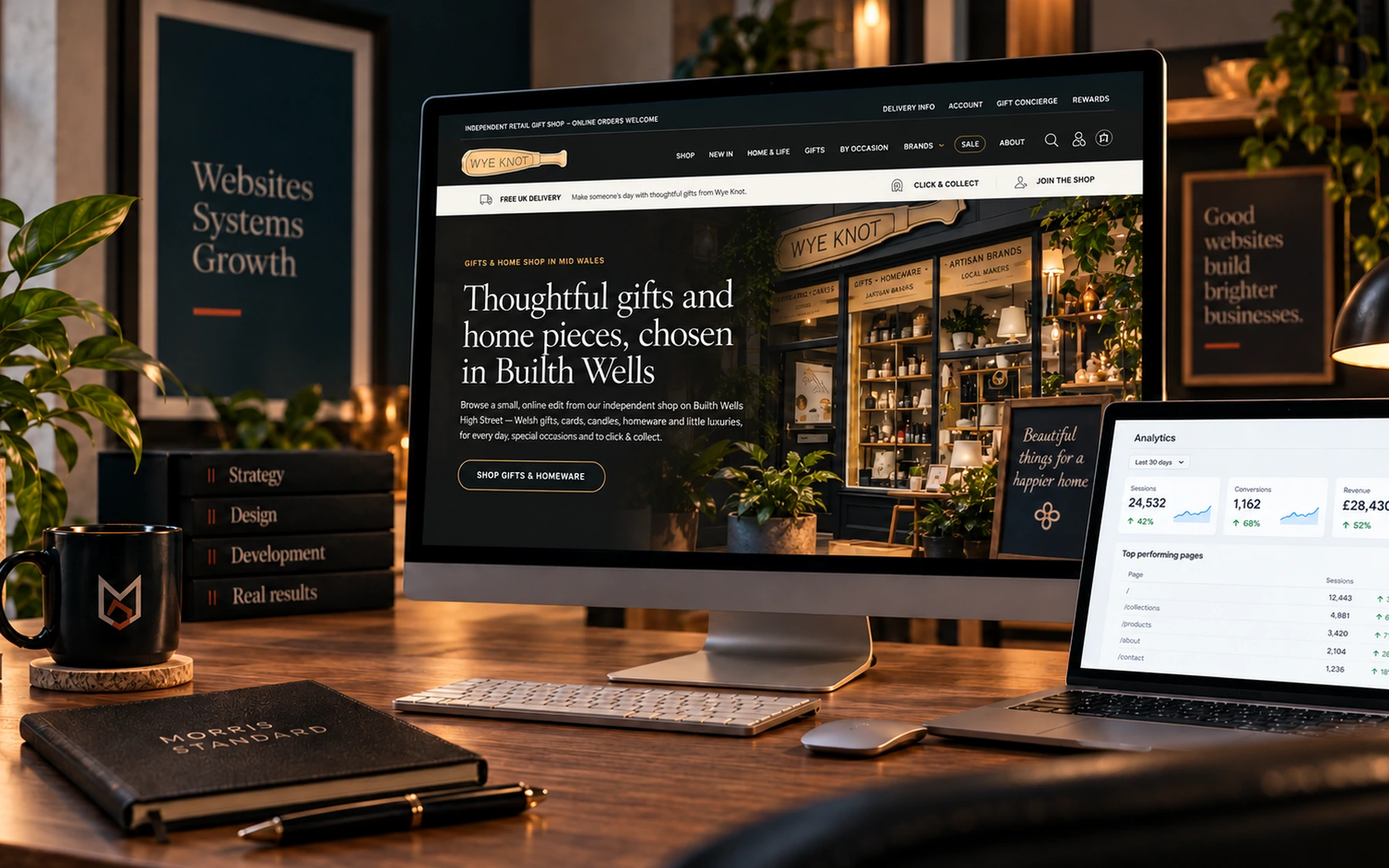
Owned retail case studies
Same owner. Different operational pressure.
Because Ian operates both businesses directly, these case studies can go beyond screenshots and show what the systems have to do in the working day. The feedback loop is immediate: catalogue structure, checkout friction, content gaps, fulfilment issues and support questions all surface in real use. That experience also informs client work, with an emphasis on maintainable systems, sensible automation and clear customer journeys rather than features added for their own sake.

Owned retail · current flagship
A retail system designed around the working day.
Wye Knot is a live high-street retail environment in which the customer-facing website, catalogue, ecommerce administration and connected channels need to work together without making routine retail work more complicated.
Read the Wye Knot case studyFor suitable products with approved source information, preparing a review-ready product record can now take under ten minutes. Human review remains part of the process.
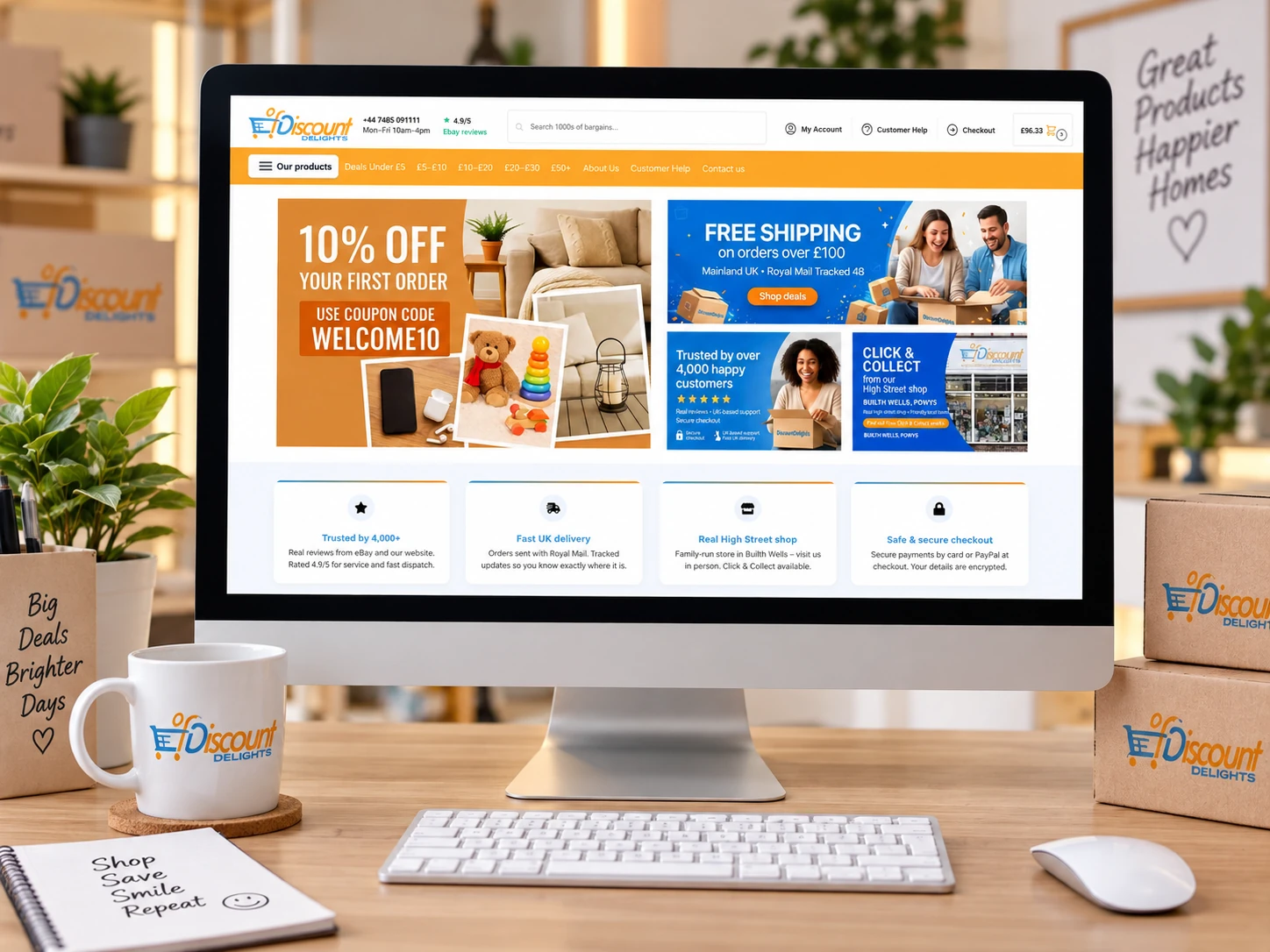
Owned retail · operational case study
The website is only the visible layer.
Discount Delights shows what happens when a varied catalogue, multiple selling channels, fulfilment and customer service all create pressure on the operation behind the storefront.
Selected client experience
Web design case studies in Mid Wales, shown in commercial context.
These examples show selected client work clearly, using the genuine websites rather than invented portfolio interfaces. Each brief is different, so the emphasis changes: sometimes the priority is ecommerce structure and technical SEO; elsewhere it is presenting a specialist offer clearly enough to turn interest into an enquiry. The common thread is a site designed around the business model, audience and next action rather than a generic portfolio formula. What matters in each case is why the work was needed and how the website has to perform once it is being used. That means understanding the commercial problem, mapping customer journeys, deciding how ecommerce or enquiry paths should be structured, and making sure search visibility supports useful discovery rather than isolated keyword targets. Administration matters too: product updates, content changes, order handling and routine maintenance need to remain practical for the people running the business. Technology is chosen around those requirements, not the other way around. Morris Standard therefore uses these case studies to explain the reasoning behind structure and features as well as the finished appearance, with operational evidence included where it can be stated responsibly.
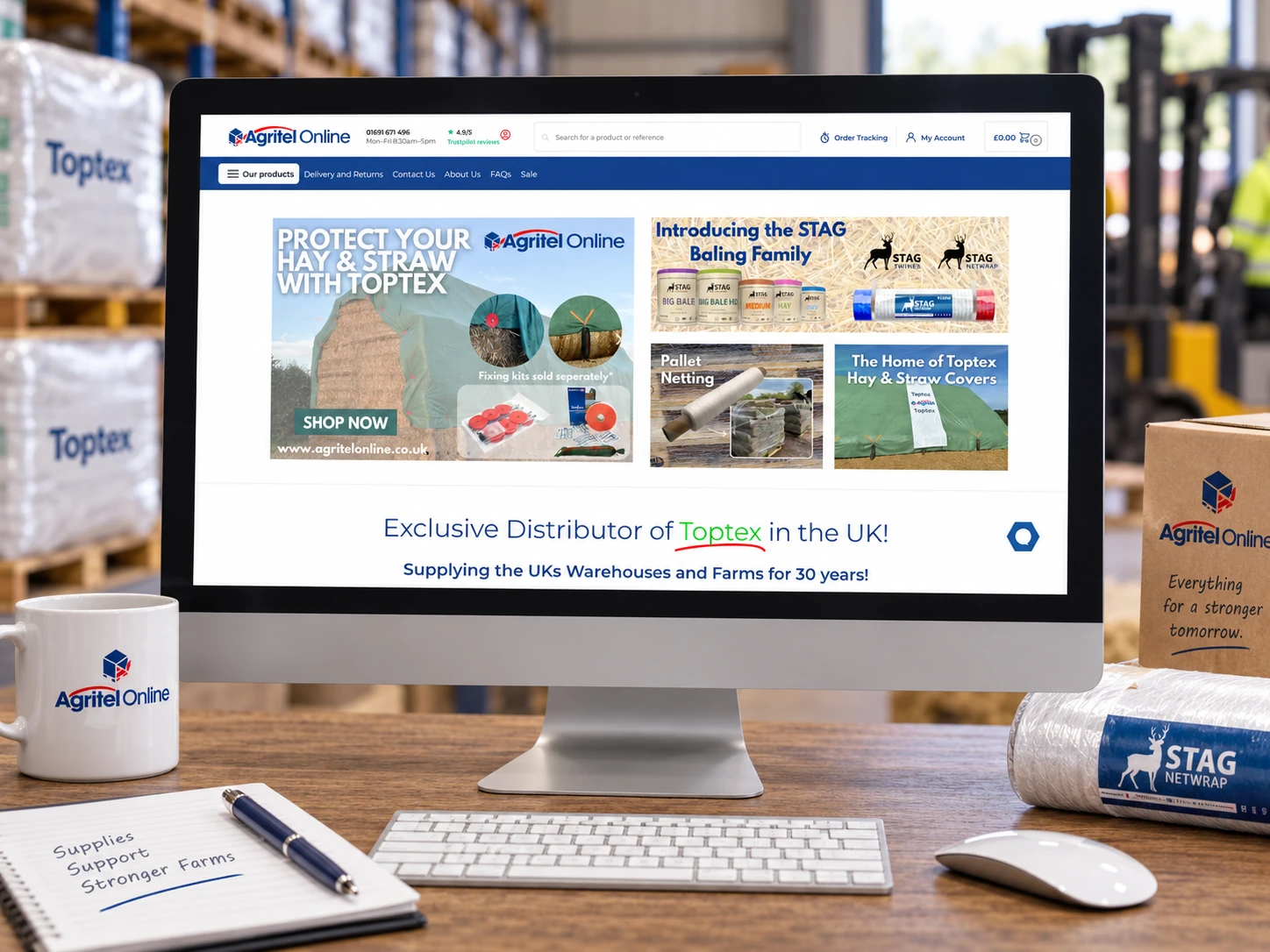
Agritel Online
Website design, ecommerce structure and technical SEO for an established agricultural and industrial supplier.
- Responsibility
- Website design and technical development
- Focus
- Ecommerce · structure · technical SEO
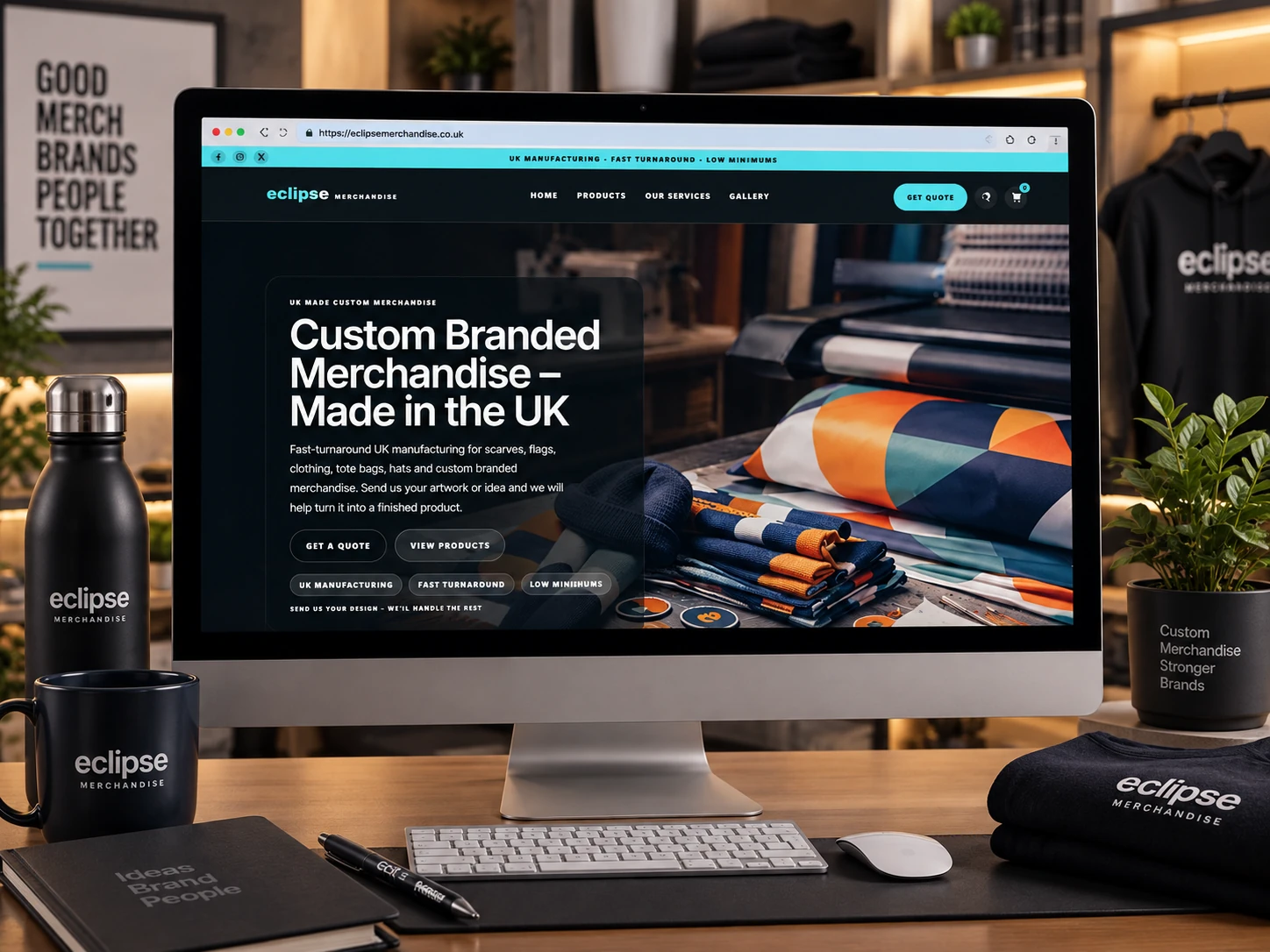
Eclipse Merchandise
A bespoke website built around custom merchandise, UK manufacturing capability and a clear route from product discovery to enquiry.
- Responsibility
- Website design and development
- Focus
- Product presentation · enquiries
What the work says
The finished page is only part of the evidence.
The strongest work is useful after launch: it fits the business, remains manageable and holds up when real customers, products and day-to-day decisions put it under pressure. Performance is judged in context too. A polished page matters, but so do clear content, manageable administration, a structure search engines can understand and a customer journey that makes the next step obvious without unnecessary friction.
- 01
Business problem first.
The objective comes before the technology or visual treatment.
- 02
Direct responsibility.
Strategy, design and technical decisions stay connected rather than being passed between layers.
- 03
Built for operation.
The work has to remain practical long after launch.
- 04
Evidence over claims.
Results are stated where they can be supported and qualified where context is needed.
Start with the problem
Have a website or ecommerce operation that needs to work harder?
Tell Ian what is getting in the way. Morris Standard will look at the commercial problem first, then recommend the most practical next step. For a new build, redesign or ecommerce problem, the first conversation can focus on objectives, constraints and what success needs to look like before deciding which technical route makes sense.